


Oceanis International will be in Auckland this July and August for two important sector events: the 16th International Coral Reef Symposium and the 2026 Zoo and Aquarium Association Conference.
The conferences bring together many of the organisations Oceanis works alongside, including marine research institutions, aquariums, zoos, conservation teams, aquaculture specialists, universities, public agencies and facility operators.
For Oceanis, these events provide an opportunity to continue conversations around the specialist water infrastructure that supports research, animal welfare, conservation outcomes and long-term operational performance.
Connecting with Marine Research, Zoo and Aquarium Sectors
Oceanis will attend the 16th International Coral Reef Symposium in Auckland from 19–24 July 2026, followed by the 2026 Zoo and Aquarium Association Conference from 4–7 August 2026.
Across both events, the Oceanis team looks forward to connecting with organisations planning, operating or upgrading specialist aquatic environments. This includes marine research facilities, coral and conservation systems, public aquaria, zoological habitats, aquaculture infrastructure and complex life support environments.
For many of these facilities, success depends on more than water movement and filtration alone. It requires the careful alignment of biological objectives, water quality, maintainability, resilience, energy performance and the realities of long-term operation.
Oceanis’ work in this space brings together design, engineering and practical operational understanding to support facilities where water systems are central to the success of the project.
Factory Acceptance Testing for Specialist Marine Research Infrastructure
Oceanis recently undertook Factory Acceptance Testing (FAT) at manufacturer sites for advanced membrane filtration systems being delivered as part of a major marine research infrastructure upgrade for a leading university’s marine research facility in Saudi Arabia.
For specialist seawater and aquatic research environments, FAT is an important step in reducing technical risk before equipment is deployed to site. It provides an opportunity to check system performance, reliability and integration readiness in a controlled setting, helping support smoother commissioning and long-term operational performance.
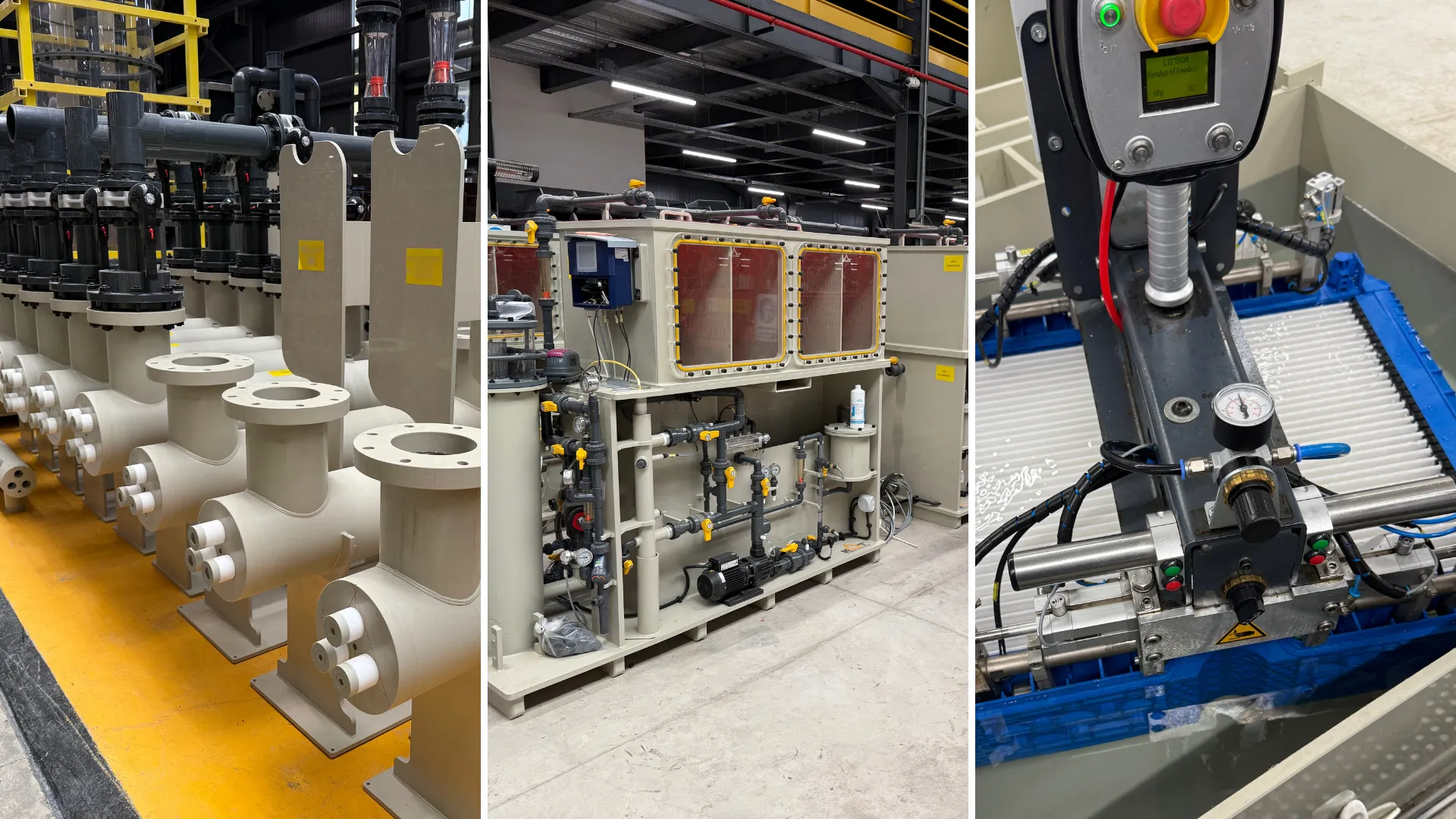
Systems of this kind play a critical role in supporting configurable aquatic environments for marine research, aquaculture development and conservation-focused programmes. For research facilities working with sensitive aquatic organisms and controlled water conditions, early verification is a practical part of delivering reliable infrastructure.
Recent Highlight: Oceanis at the World Geothermal Congress 2026
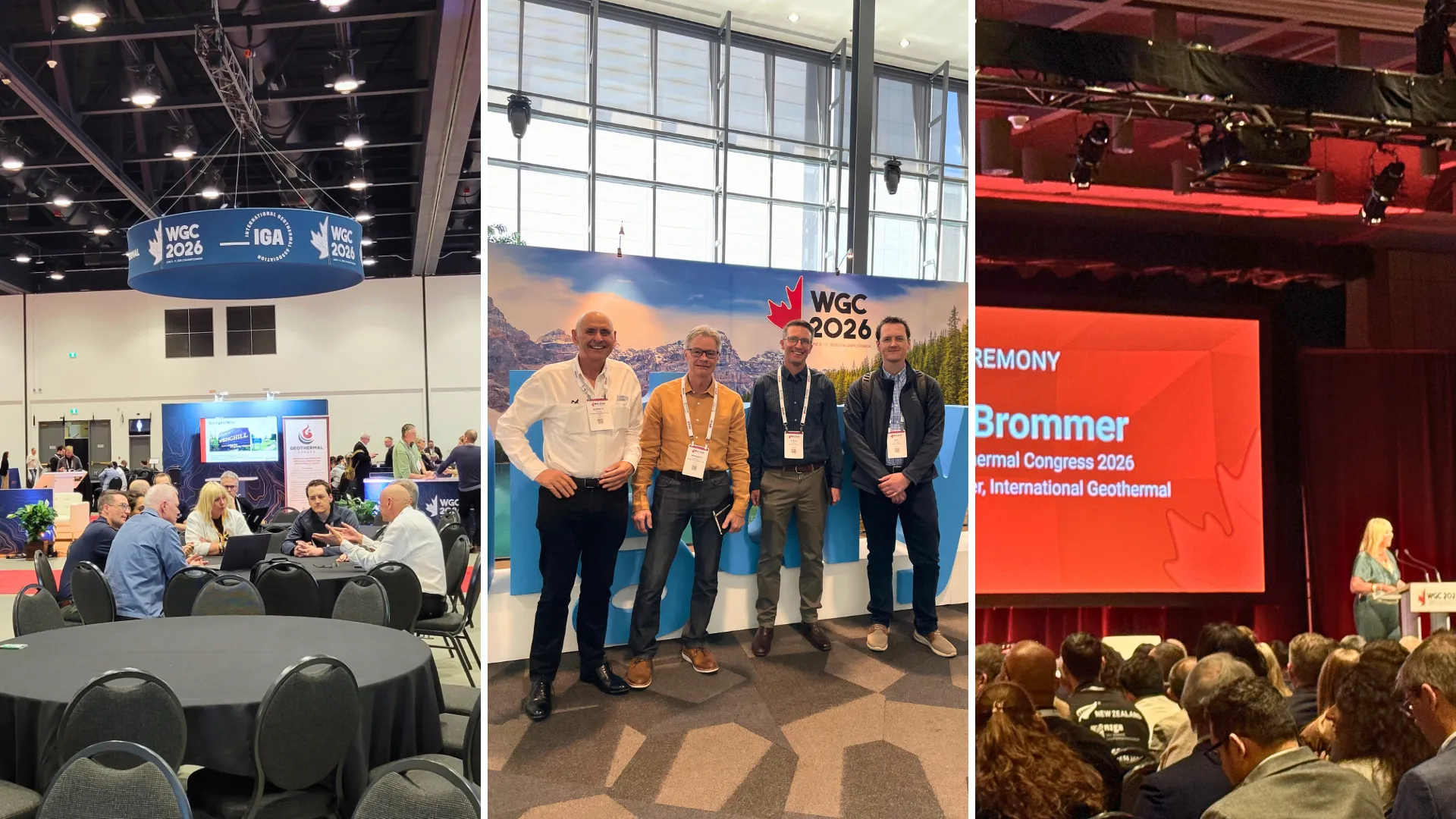
Oceanis contributed to the recently held World Geothermal Congress 2026 in Calgary, Canada, through work connected to the City of Regina’s new Indoor Aquatic Facility.
Ken Shular, Director at Oceanis International, prepared Oceanis’ conference paper on optimising low enthalpy geothermal systems through an integrated approach across wells, surface infrastructure and heat sinks. The paper explored a system concept for the Regina facility, where geothermal energy is being considered for a cold-climate aquatic centre with high and consistent heating demand.
Aquatic facilities can be strong candidates for geothermal integration because pools, air handling systems and associated building services require substantial year-round thermal energy. When considered early and integrated carefully, geothermal systems reduce reliance on conventional heating systems, virtually eliminating CO2 emissions and delivering exceptional environmentally sustainable outcomes.
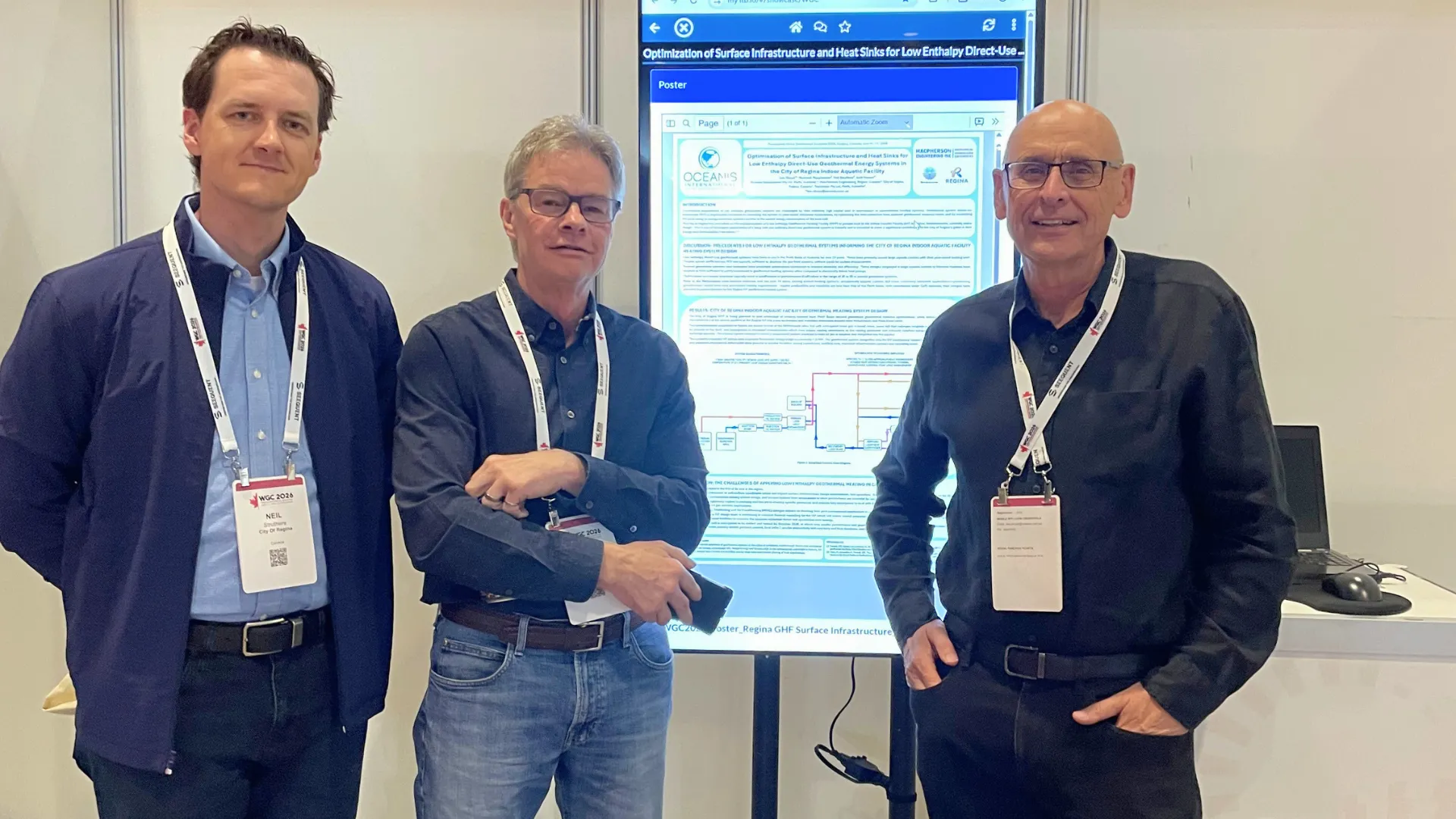
Oceanis was pleased to contribute this work with the City of Regina, alongside specialist collaborators Rockwater and MacPherson Engineering.
Supporting Complex Water-Based Facilities
Across geothermal heating, marine research infrastructure, conservation facilities, zoo environments and public aquaria, Oceanis continues to support clients working with technically complex water systems.
These facilities often need to balance biological requirements, operational reliability, energy performance, user experience and long-term maintainability. Oceanis’ role is to help clients and design teams address these requirements through specialist aquatic and marine engineering consultancy.
If you are attending ICRS or ZAA in Auckland, Oceanis would welcome the opportunity to connect. Whether you are planning a new facility, reviewing an existing system, preparing for an upgrade or exploring long-term infrastructure needs, our team would be pleased to discuss your project requirements.