


The Singapore Oceanarium, formerly S.E.A. Aquarium, sits inside a facility undergoing one of the largest integrated resort expansions in Southeast Asia.
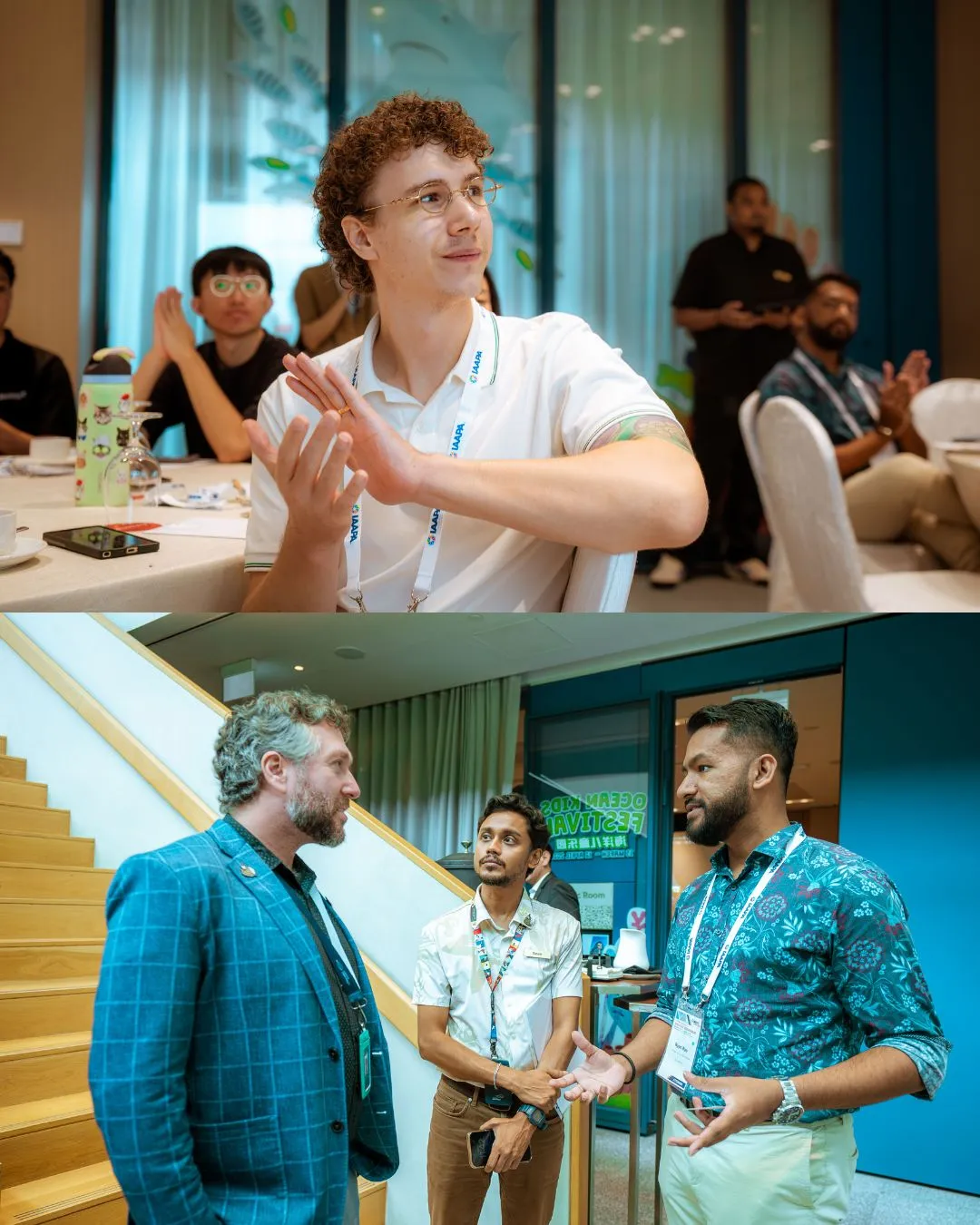
On 9 April 2026, IAAPA opened the doors of that facility for a day-long workshop that gave roughly 30 industry professionals a direct look at what happens when conservation, sustainability, and legacy infrastructure merge inside a single operating site.
For this IAAPA event, the format included: two focused education sessions, a roundtable, and a guided back-of-house tour of the Oceanarium’s life support systems and water quality management infrastructure. It was structured less as a conference and more as a working visit.
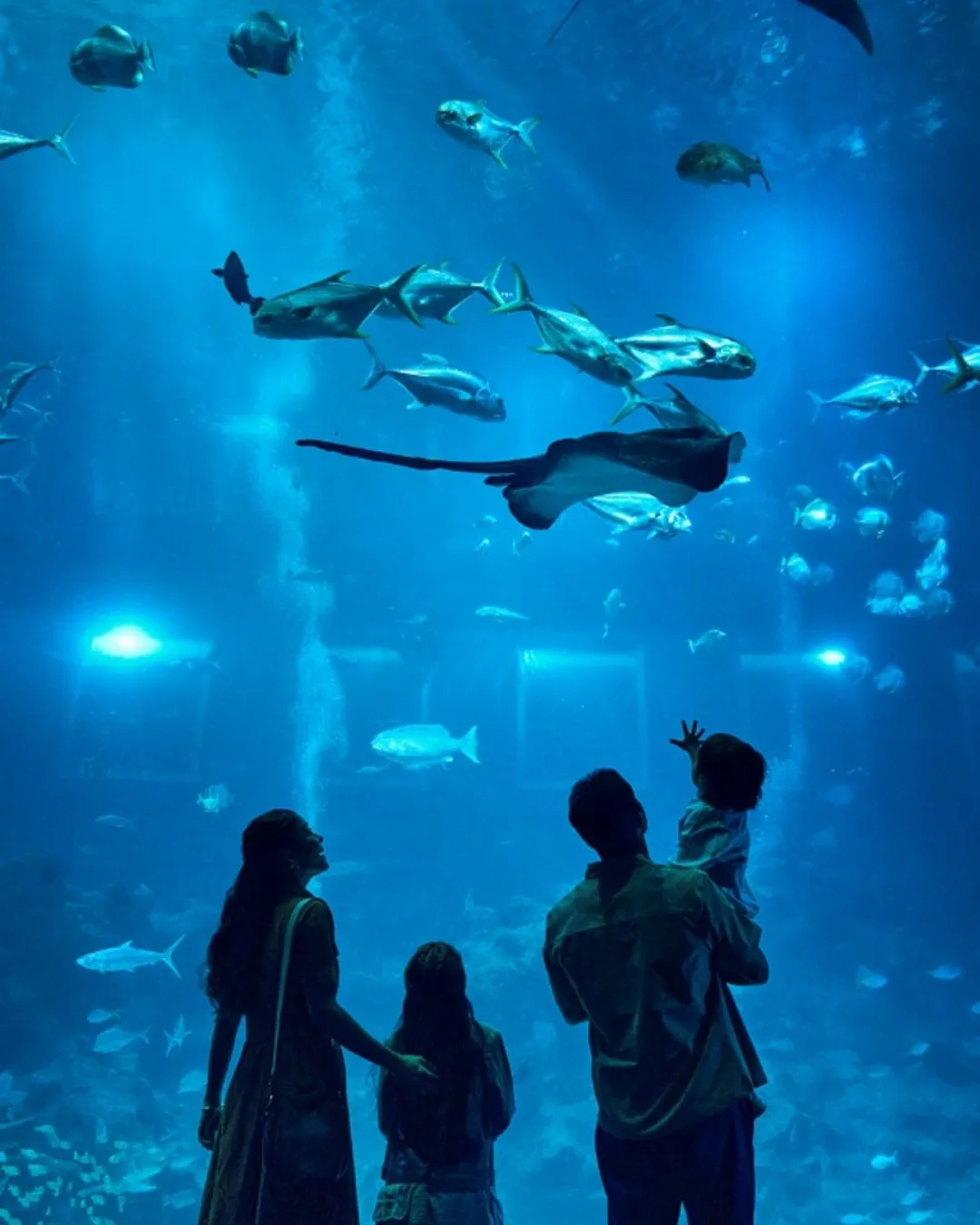
Conservation as an Operational Programme
The education sessions, led by RWS leadership including Ng Hsiao Feng (Director of Planning and Growth) and Riley Pollom (Assistant Director of Conservation and Science), traced the Oceanarium’s transformation from a display-led aquarium to a facility where conservation programmes are embedded into operations rather than bolted on as outreach. This distinction matters.
Coral nursery and outplanting work, for example, demands its own water quality parameters, biosecurity protocols, and space within an already constrained LSS envelope. Expanding conservation capacity inside an existing facility is a different engineering proposition to designing it into a new build.
Sustainability Beyond the Visitor-Facing Story
Jen Ong, RWS Senior Director of Sustainability, and Pollom co-presented a session on sustainability practices across the attraction. What stood out was the operational specificity: discussions addressed water recycling systems, energy-efficient water heating, and the monitoring infrastructure, automated sensors and data analytics, required to maintain tank conditions across a complex, multi-habitat facility. For engineers working on similar-scale aquatic facilities, the session reinforced that sustainability in this context is a complex systems engineering challenge.
Behind the Plant
The back-of-house tour covered filtration, circulation, water quality monitoring, and diver operations. For attendees with an LSS engineering background, the tour offered a rare opportunity to observe how a facility of this age and scale manages the tension between original build infrastructure and evolving operational demands — a challenge that becomes increasingly common as first-generation mega-aquariums across Asia-Pacific approach the 15- to 20-year mark.
Oceanis Participation
Ryan Rao, Principal of Oceanis International, attended the workshop as part of the firm’s ongoing engagement with the Southeast Asian aquarium and marine research sector. The event reinforced several themes central to Oceanis’ aquatic engineering work across the region, particularly around LSS and aquarium facility design, and the infrastructure demands of conservation-led aquarium operations.
The IAAPA Presents series continues to develop as a format that prioritises facility-level technical exchange over broad industry programming — a shift worth watching for operators, engineers, and designers working in the aquarium and marine attraction space.