


Berlin Zoo is set to open Europe’s largest modern African elephant house this summer. The 16,300-square-metre facility is designed around Protected Contact principles, giving animals autonomy over how they interact with staff and their environment.
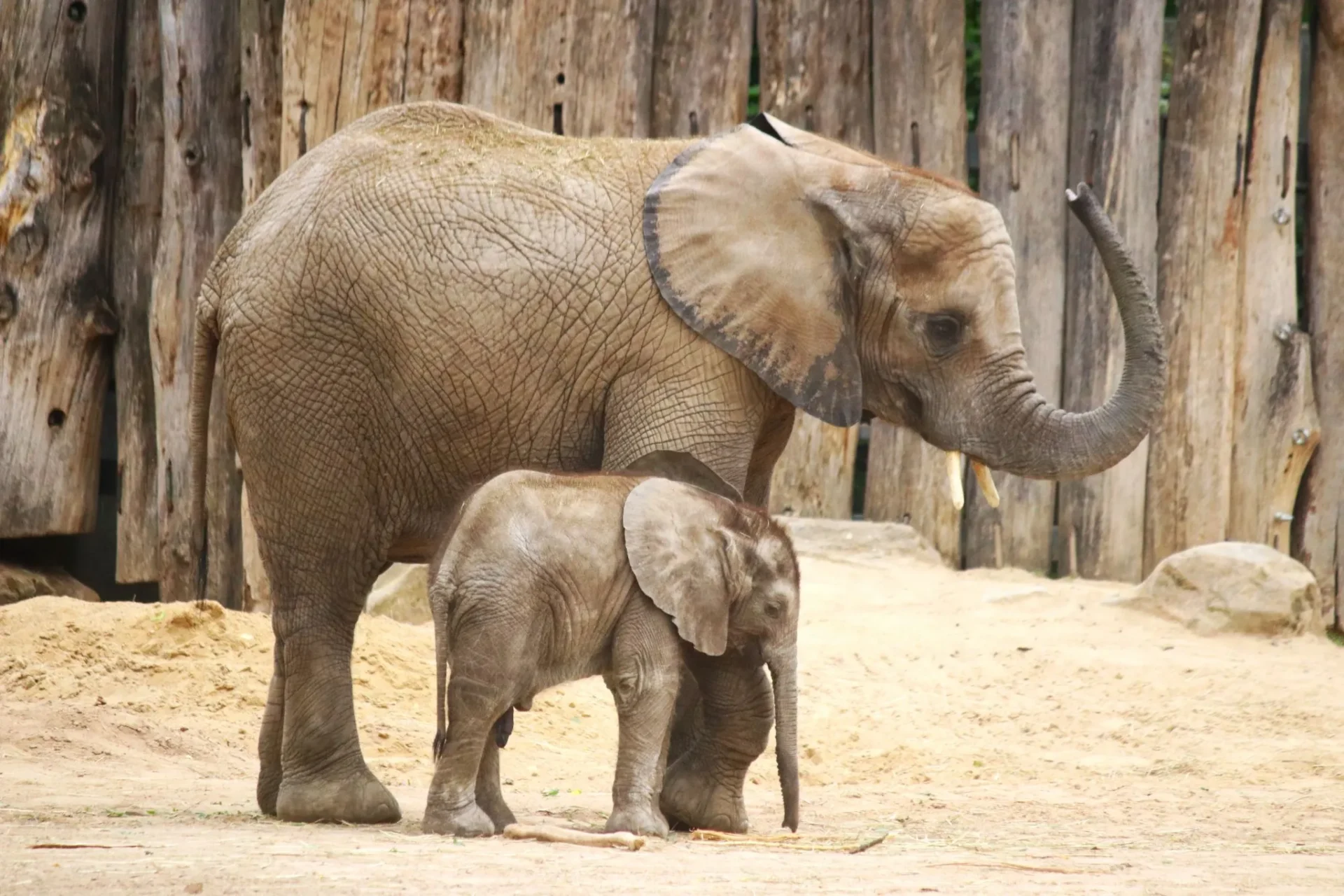
It’s a significant piece of zoological design with a focus on animal welfare and habitat authenticity.
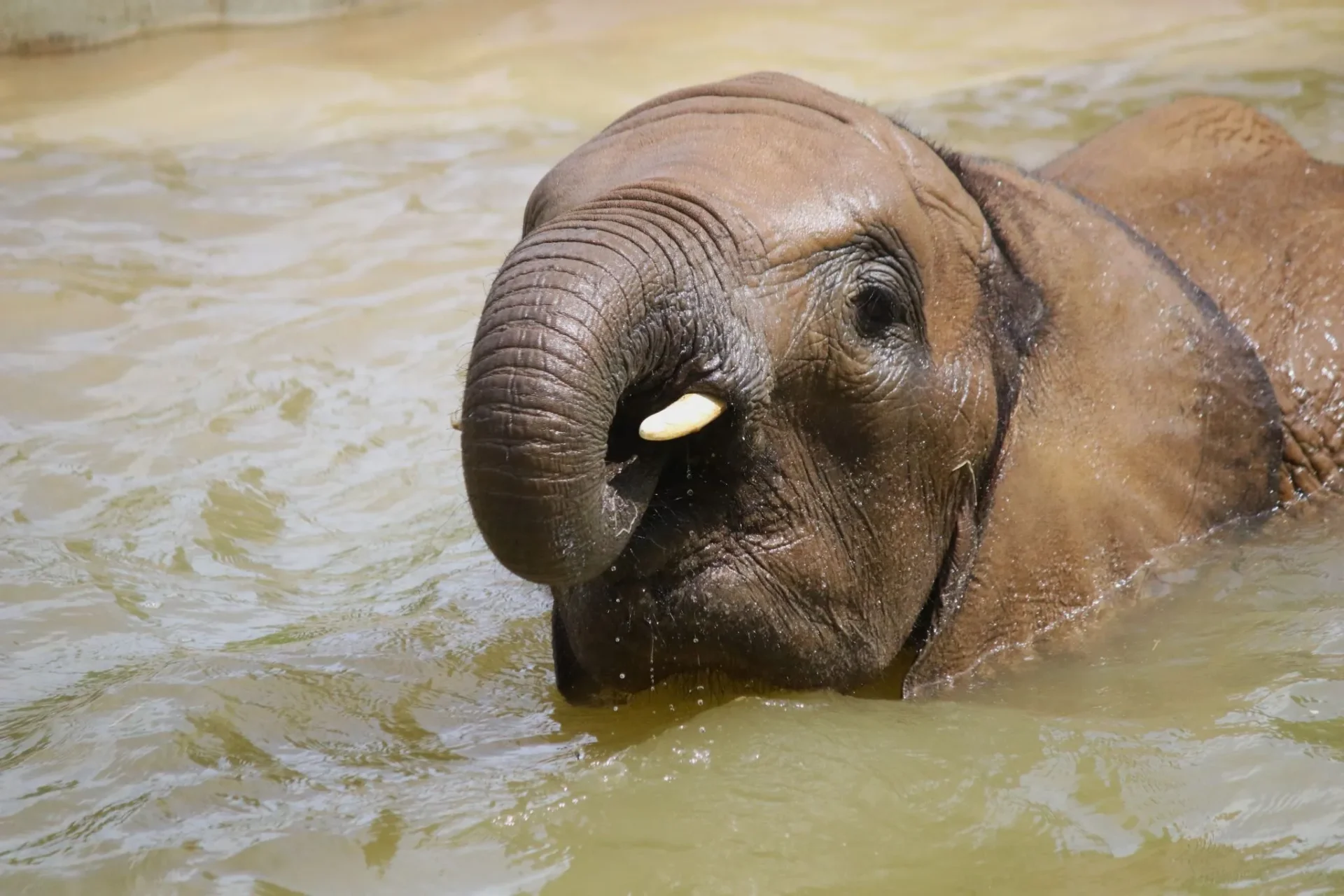
Water plays a vital part in this. Elephants don’t just drink it. They bathe, play, thermoregulate, and maintain skin and joint health in it. In a zoological environment, replicating that means designing pools, waterfalls, and water features that feel natural while managing a challenge unique to elephants: waste.
An adult elephant can produce over 50 kilograms of dung per day. In and around water, that creates a serious water treatment problem – heavy biological loads, continuous recycling demands, strict water quality requirements for animal health, and operational practicality for zoo staff managing it daily.
Oceanis at Taronga Zoo
This is a challenge Oceanis knows well. At Taronga Zoo in Sydney, Oceanis designed the water systems for the Asian Elephant Precinct, a habitat supporting the zoo’s conservation programme for a species with as few as 34,000 individuals remaining in the wild.
The design included a series of natural, round-edged pools integrated with a water treatment system engineered for recycling, cleaning, and heating. A waterfall feature supports both enrichment and water circulation. The system was designed to be efficient and economical for Taronga’s operations team to manage day-to-day.

The result is a precinct that works on multiple levels: a healthy, stimulating environment for the elephants, a compelling visitor experience, and an operationally sustainable asset for the zoo.
The bigger picture
Berlin’s facility joins a growing list of major elephant habitat projects worldwide,. Across all of them, the pattern is consistent: larger, more naturalistic environments with increasingly sophisticated water and life support systems behind the scenes.
For facilities planning large animal habitats around water, the treatment engineering is one of the earliest design decisions.
Learn more about our work at Taronga Zoo’s Asian Elephant Precinct→