


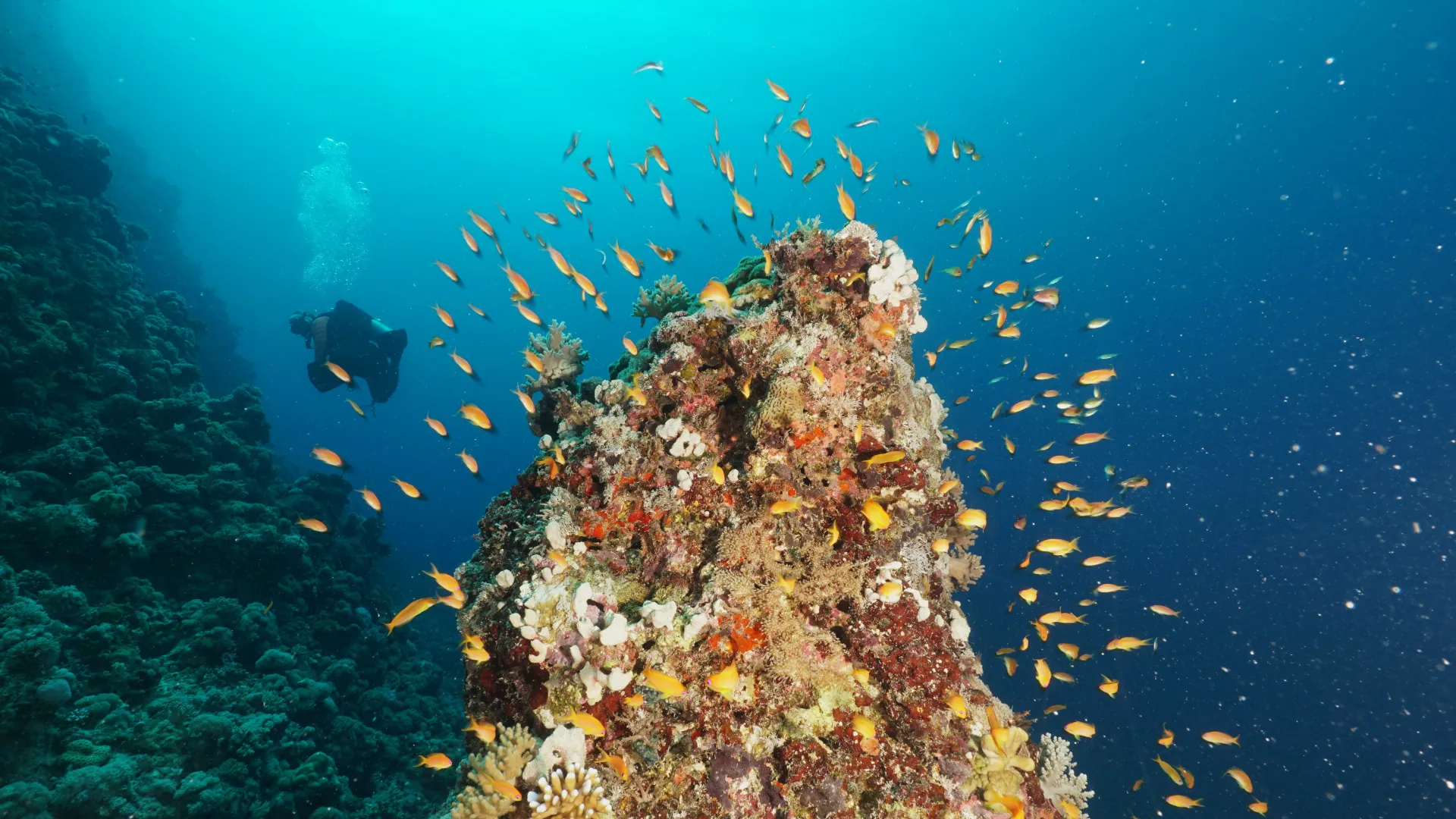
Each year, World Reef Day, observed annually on 1 June, highlights the importance of coral reef ecosystems and the growing challenges they face worldwide. While awareness campaigns play an important role in bringing attention to reef conservation, meaningful progress depends on ongoing research, education, and long-term environmental stewardship.
Coral reefs cover less than one percent of the ocean floor, yet they support approximately 25% of all marine species. As pressures from climate change, habitat degradation, and pollution continue to increase, organisations around the world are investing in research, monitoring, and public engagement initiatives that contribute to reef protection and restoration.
Aquatic facilities, research laboratories, aquariums, and zoological institutions play an increasingly important role in supporting these efforts.
Why Coral Reefs Matter
Coral reefs are among the most diverse ecosystems on Earth. They provide critical habitat for marine life, support fisheries that sustain coastal communities, and help protect shorelines from storm damage and erosion.
Beyond their environmental value, reef ecosystems contribute significantly to tourism, recreation, and local economies. Healthy reefs support livelihoods, food security, and biodiversity across many regions of the world.
The long-term protection of these ecosystems remains a global priority for scientists, governments, conservation organisations, and industry stakeholders alike.
Challenges Facing Coral Reef Ecosystems
Coral reefs continue to face a range of environmental pressures, including:
- Rising ocean temperatures
- Coral bleaching events
- Ocean acidification
- Pollution and nutrient loading
- Coastal development impacts
- Habitat degradation
Many reef systems have experienced substantial coral loss over recent decades, reinforcing the need for continued scientific research, monitoring programs, and public awareness initiatives.
Addressing these challenges requires collaboration across marine science, conservation, engineering, environmental management, and facility design disciplines.
How Coral Reef Conservation Facilities Support Research
Scientific understanding forms the foundation of effective conservation.
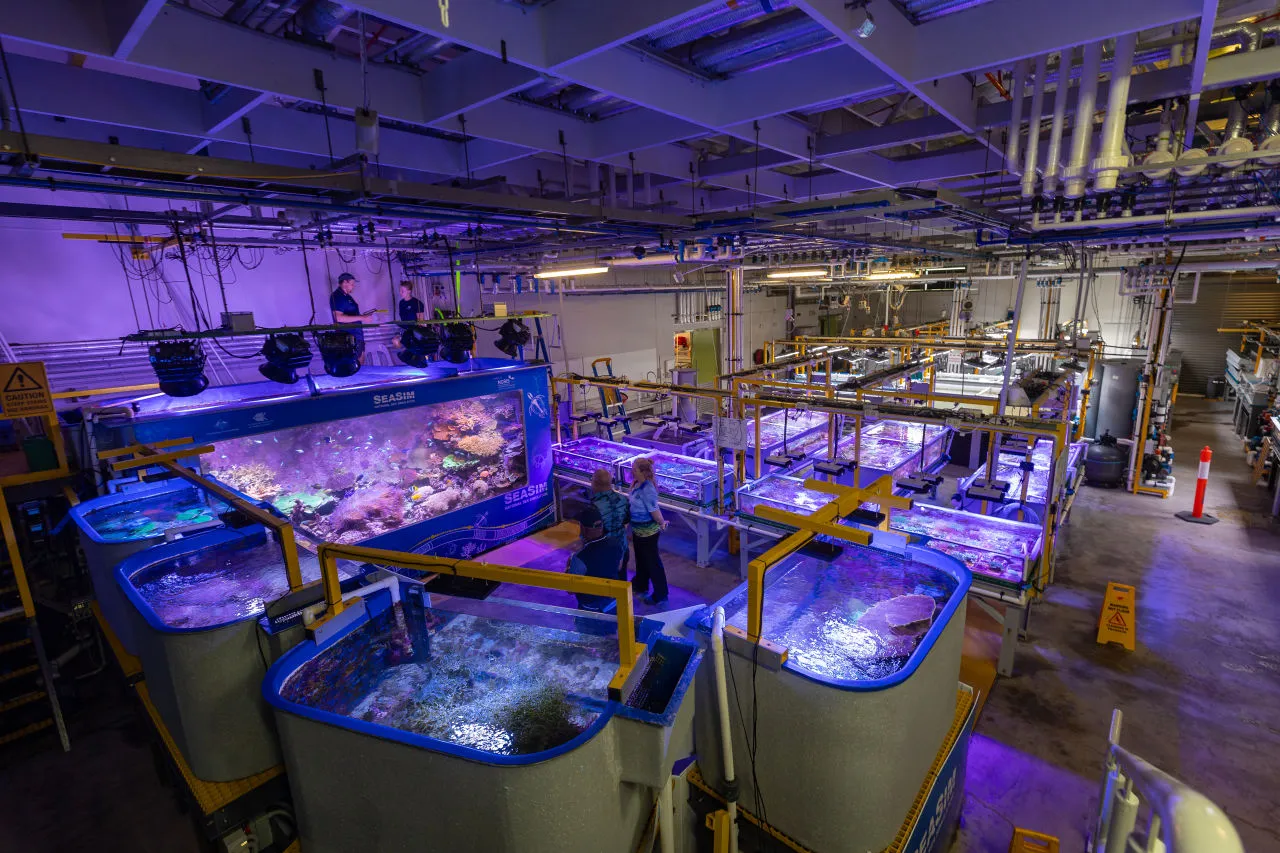
Around the world, specialised marine research facilities provide controlled environments that support coral studies, species monitoring, water quality research, and ecosystem restoration initiatives. These facilities allow researchers to investigate environmental stressors, test conservation strategies, and improve understanding of reef resilience.
Purpose-built aquatic environments can support a wide range of conservation objectives while providing reliable conditions for long-term scientific programs.
The Role of Aquariums and Public Education
Public engagement is a critical component of conservation success.
Aquariums, zoological facilities, and educational centres create opportunities for visitors to experience marine environments in ways that would otherwise be inaccessible. Through exhibits, interpretation programs, and conservation messaging, these facilities help build public awareness of reef ecosystems and the challenges they face.
For many visitors, these experiences provide their first direct connection to coral reef biodiversity and marine conservation efforts.
By bridging the gap between scientific research and public understanding, aquatic facilities help foster greater appreciation for the importance of protecting marine ecosystems.
Designing Aquatic Facilities for Conservation Outcomes
The effectiveness of a conservation-focused facility is influenced by the design of the aquatic environment itself.
Whether supporting research, rehabilitation, education, or public display, aquatic systems must balance operational performance with environmental responsibility. Key considerations often include:
- Water quality management
- Energy efficiency
- Operational resilience
- Animal welfare requirements
- Educational functionality
- Long-term sustainability objectives
As conservation facilities continue to evolve, there is increasing emphasis on creating environments that support both scientific outcomes and meaningful visitor engagement.

Looking Beyond World Reef Day
World Reef Day serves as an important reminder of the value of coral reef ecosystems, but conservation is an ongoing commitment rather than a single annual event.
From marine research and public education to responsible facility planning and environmental stewardship, aquatic facilities continue to contribute to a broader understanding of our oceans and the ecosystems they support.
Protecting coral reefs requires collaboration across disciplines, organisations, and communities. Through continued research, education, and long-term investment in conservation infrastructure, we can help support healthier reef ecosystems for future generations.