


Reflections and priorities from Oceanis
As Oceanis enters 2026, the past year provides a clear reference point for where aquatic and marine design and engineering is heading. In 2025, our work spanned innovative second-generation geothermal heating, complex aquatic centres, and aquaria, zoo, and marine research facilities across multiple regions.
Projects as diverse as the transformation of aging infrastructure into high performance geothermal heating for aquatic centres to innovations for life-support infrastructure for aquariums and research facilities, and aquatic design work across Australia, Asia, the Middle East, North America, and the Pacific, reinforced a consistent theme: sustainability and energy efficiency, well-managed project budgets and schedules, and attractive facilities for our clients’ patrons, guests and scientists, remain the high priorities.
That foundation shapes how we approach the year ahead.
What 2025 Reinforced
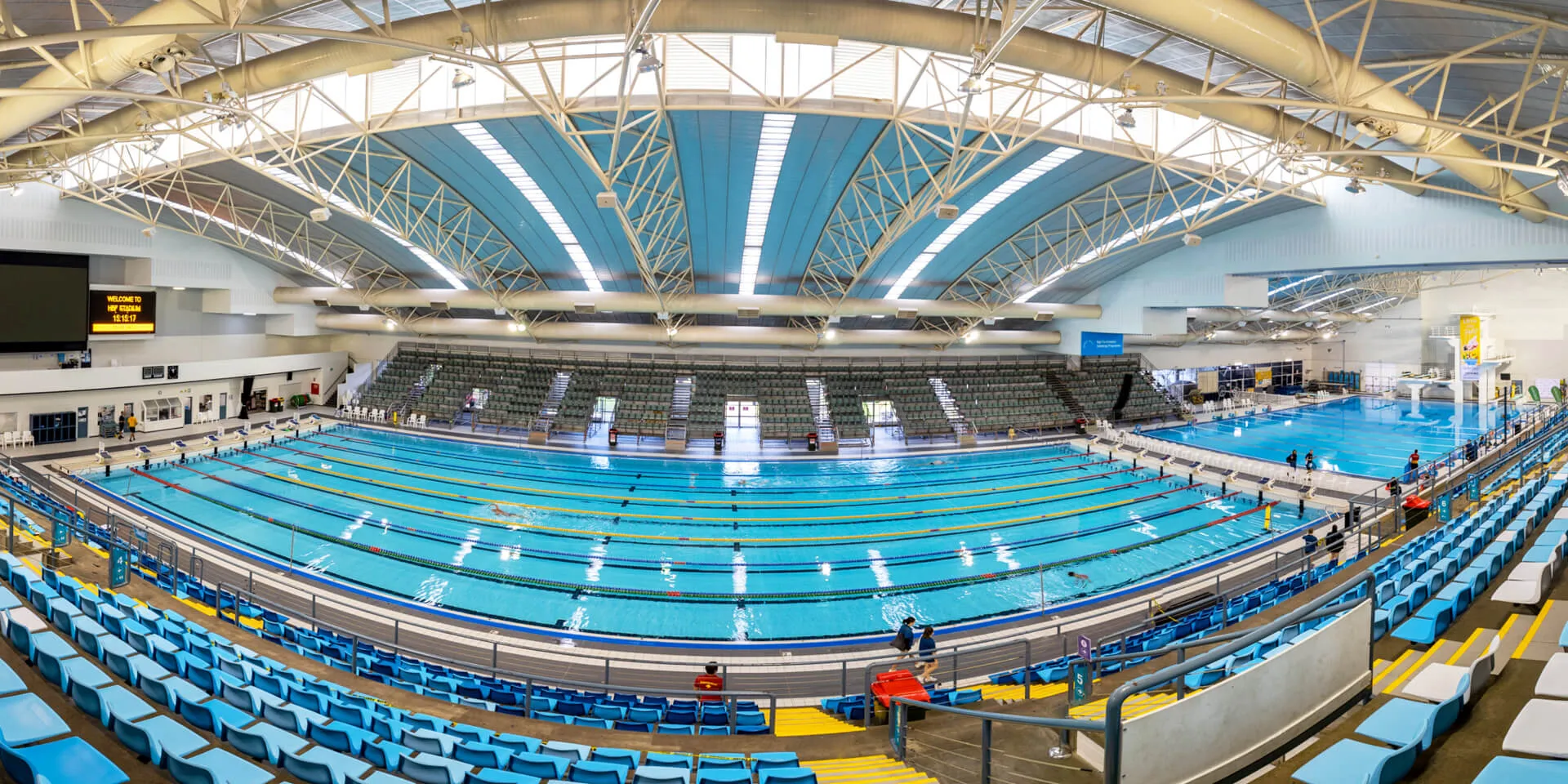
Water-based wellness and aquatic centres are getting more technical
Across our resort leisure and aquatic centre projects on six continents, we’re seeing a greater focus on water quality, thermal comfort, and system resilience beyond aesthetics. The operational questions are being asked earlier, which makes for better facilities.
Geothermal heating enhancements are proving their case
Our team developed innovative approaches for second-generation geothermal heating systems, particularly the re-engineering of existing facilities. Projects such as the Craigie Leisure Centre in Western Australia demonstrate that sustainable outcomes are not limited to new builds, providing a replicable model for reducing emissions in energy-intensive public infrastructure.
Aquarium and zoo systems remain an important specialism
Our aquarium and research facility work continued this year, with ongoing focus on life support systems and aquarium designs that balance animal welfare, water quality, and practical maintainability.


Technical Priorities Shaping 2026
Designing for sustainability
In 2026, Oceanis continues to prioritise energy efficiency and sustainability across all projects. Extending asset life through targeted upgrades to reduce embodied carbon, cost, and disruption, smart approaches to hydraulics in aquatics design.
Engineering behind visible spaces
Across public pools, wellness facilities, and zoological environments, critical systems sit out of view. Oceanis’ focus remains on facility performance to support reliable operation over decades of use.
Engineering that respects science and care
In marine research and animal care facilities, system design must respect scientific workflows and animal welfare requirements. Oceanis’ work in 2026 continues to emphasise precision, reliability, and close collaboration with researchers and curators to ensure engineering supports, rather than interferes with, core outcomes.
A context-led global approach
Oceanis’ work is shaped by place. In Fiji, projects respond to environmental sensitivity, marine ecosystems, and long-term stewardship. In the Middle East, scale, climate resilience, and institutional requirements inform approaches to aquariums and research facilities. These contexts guide how technical solutions are developed and applied across regions, rather than sitting as separate campaigns.

Looking Ahead
The year ahead is less about expanding scope and applying proven engineering thinking across aquatics, geothermal systems, marine research, and aquarium and zoological facilities where performance and longevity matter most. As 2026 unfolds, Oceanis remains focused on delivering systems that work efficiently and reliably, supporting facilities that are built to last.